Moving to the Netherlands as an expat can be exciting, but finding the right place to live is often more complicated than people expect. The housing market is competitive, furnished rentals are limited, and even after signing a lease, you are usually not ready to move in straight away.
That is exactly where many expats, employers and relocation teams run into problems. Finding a property is only the first step. The real challenge is turning that property into a comfortable, practical home without losing time, flexibility or budget.
In this guide, we explain what to look for when choosing expat housing in the Netherlands, what the smartest setup is for different stay lengths, and why more expats and employers choose a flexible furnishing solution instead of waiting for the perfect furnished rental to appear.
Start with one practical question: how long will the stay be?
Before comparing cities, rental prices or housing websites, start with the basics: how long does the stay need to last?
That single question affects almost everything. It influences whether buying furniture makes sense, whether flexibility matters more than price, and whether it is smarter to choose a furnished home or create your own move-in-ready setup.
As a rule of thumb, this works well:
- 3 to 6 months: flexibility comes first. In most short-stay situations, buying furniture creates more hassle than value. Furniture rental is often the easiest route because it keeps upfront costs low and makes it easier to adjust if plans change.
- 6 to 12 months: this is where many expats benefit from an unfurnished rental combined with a furnishing solution. You get more housing options, while still keeping the setup practical and flexible.
- 12 months or longer: at this point, it makes sense to compare buying and renting furniture more carefully. Even then, do not look at purchase cost alone. Delivery, installation, storage, resale and time all play a role.
If you are arranging housing for multiple employees, the answer is usually even clearer. Flexibility wins. Plans change, timelines shift, and a rigid setup can become expensive very quickly.

Signing the lease is only step one
Many people assume that once the rental contract is signed, the housing issue is solved. In practice, that is rarely the case.
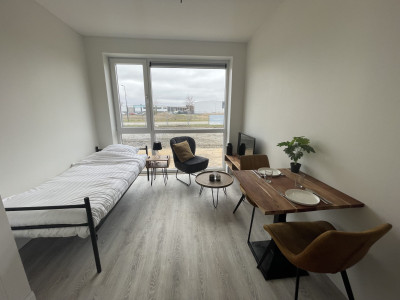
A rental property still needs to become livable. And in the Netherlands, that often means more work than international tenants expect. Not every home comes fully furnished. Some rentals are upholstered but still miss the essentials. Others are delivered almost empty, which means you still need to arrange furniture, lighting, window coverings, flooring and basic household items before anyone can properly move in.
That is where delays often begin. An expat arrives, the keys are handed over, and then the setup still has to happen. If that process is not planned well, days quickly turn into weeks.
A practical setup timeline often looks like this:
- Day 0: key handover
- Day 1–2: delivery of furniture and essentials
- Day 2–3: installation of furniture, curtains or flooring
- Day 3–5: the property is fully move-in ready
That is the difference between “we found a house” and “someone can actually live there.”
Want to avoid delays after key handover? We can take care of the full setup.
Contact us Request a quote
Furnished or unfurnished? The smartest choice is not always the obvious one
At first glance, a furnished rental seems like the ideal solution. It sounds simple. You move in, unpack and get on with life.
The problem is that furnished rentals in the Netherlands are often harder to find, more expensive and less flexible than expected. That makes them attractive in theory, but not always practical in reality.
Unfurnished rentals are usually more widely available. That gives expats and employers more choice in location, type of property and budget. The catch is obvious: an unfurnished home still needs to be set up.
This is exactly why many expats get stuck. They look only for furnished homes, the options are limited, and the search takes longer than necessary. In many cases, the smarter option is to choose the right unfurnished property and turn it into a fully furnished, move-in-ready home with a separate furnishing solution.
That approach offers several advantages:
- you have access to a larger housing supply
- you are less dependent on scarce furnished rentals
- you can often move faster
- you keep more control over quality, comfort and style
In other words, the best housing solution is not always the one that comes with furniture included. Sometimes it is the one that gives you the right property first, and the right setup second.
The real cost of expat housing is more than monthly rent
Rent is important. But it is only one part of the total housing cost.
When expats, HR teams or relocation partners compare options, it helps to look at the full picture. A cheaper property is not automatically the more practical one if it still requires a long and expensive setup. In the same way, buying furniture is not automatically cheaper than renting it, especially for temporary stays.
The real cost of expat housing can include:
- monthly rent
- gas, water and electricity
- furniture
- delivery and installation
- transport or shipping
- storage
- disposal or resale at the end of the stay
This is where many people underestimate the total cost of an “easy” solution. Buying furniture sounds logical at first, but it comes with hidden work. You need to source items, schedule deliveries, assemble everything, solve missing pieces and then deal with all of it again when the stay ends.
Furniture rental makes that much more predictable. It avoids a large upfront investment and removes a lot of the hassle around transport, assembly and end-of-stay logistics. For employers and housing providers, it also makes budgeting easier.
The biggest mistake expats and employers make
The biggest mistake is simple: people think housing ends with the lease.
It does not.
An empty or partly finished rental is still not ready to live in. A comfortable home needs more than just four walls and a key. At a minimum, people need the basics in place from day one. That usually includes:
- a bed and mattress
- seating and dining furniture
- curtains or blinds
- lighting
- basic kitchen setup
- in some cases, flooring and internet
This sounds obvious. But in practice, this is exactly the stage that gets underestimated. Especially when several employees are relocating at once, the setup phase can create a surprising amount of pressure. Suddenly there are multiple addresses, different move-in dates, limited stock, and too many suppliers involved.
That is why a clear setup plan matters so much. It saves time, prevents delays and makes the housing solution work in real life, not just on paper.
Learn more about housing expat employees
Speed matters more than most people expect
In expat housing, timing is often as important as the property itself.
Someone may need to start work immediately. A project team may be arriving next week. An employer may need to prepare several homes within a short period. In those situations, a nice apartment is not enough. It also needs to be ready on time.
That is why speed should be part of the housing decision from the start. If a property cannot be made livable quickly, it may still not be the right solution.
A fast setup becomes much easier when everything is arranged in one go. Instead of coordinating separate suppliers for furniture, flooring, window coverings and installation, the process runs through one plan and one timeline. That reduces the chance of delays, miscommunication and extra costs.
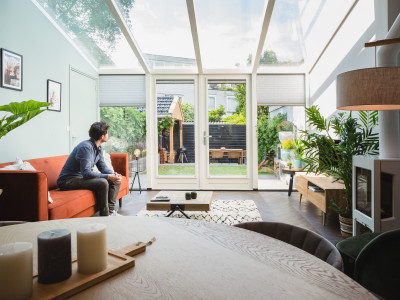
A move-in-ready setup may include:
- living room furniture
- bedroom furniture
- dining furniture
- window coverings
- flooring where needed
- essential household items
- optional extras such as Wi-Fi or appliances
The more coordinated the process, the faster someone can actually move in.
The challenge gets bigger when you scale up
Finding and setting up housing for one expat is one thing. Doing it for five, ten or twenty people is something else entirely.
At that point, housing turns into an operational project. It is no longer just about choosing the right apartment. It is about planning, delivery, consistency, budgets and deadlines. Every delay affects more people. Every missing item creates more friction.
For companies, municipalities, housing providers and investors, this is where a project-based furnishing approach becomes valuable. It helps standardise quality while keeping enough flexibility to adapt per home or per resident. That is especially useful when move-in dates are not identical, contracts vary in length or new homes are added along the way.
A scalable setup helps you:
- keep planning under control
- create consistency across multiple homes
- reduce coordination between suppliers
- respond faster when timelines change
That makes a big difference for organisations that need more than a one-off solution.

What if plans change?
An employee may leave earlier than expected. A temporary contract may be extended. Someone may switch from one city to another. Or a property may become available later than planned. That is why flexibility is not a luxury. It is part of a good housing strategy.
When furniture is bought, every change creates a new problem. What happens to the inventory? Who stores it? Who transports it? What happens if it is only needed for a few extra months? Those questions take time, space and budget.
When furniture is rented, the setup is easier to adapt. Rental periods can often be extended. Homes can be adjusted. And the end of the stay becomes much simpler to manage.
For expats, that means less hassle. For employers, it means less risk.
That flexibility is one of the strongest arguments for furniture rental, especially when stay lengths are uncertain or housing plans may need to change along the way. Read more in our blog: 7 benefits of furniture rental for expats.
Why more expats and companies choose furniture rental
Furniture rental is no longer just a backup plan for temporary housing. For many expats and organisations, it is now the most practical option.
That is because it solves several problems at once. It helps people move in faster. It avoids a large initial investment. It gives more freedom when plans change. And it opens up more housing opportunities, because you are no longer limited to the small number of furnished rentals available on the market.
For short and mid-length stays especially, that combination is hard to beat.
It also works well for companies that want to reduce the administrative burden around relocation. Instead of arranging everything piece by piece, they can choose one setup that is fast, predictable and easier to scale.
In a market where speed, flexibility and availability all matter, that makes furniture rental a smart and practical solution.
Ready to make expat housing easier?
Finding the right property is only part of the process. The real difference is making sure someone can move in quickly, comfortably and without unnecessary hassle. With a flexible furnishing solution, expats, employers and relocation teams can save time, stay adaptable and make better use of the housing options available.
At KeyPro, we help turn empty or partially furnished properties into practical, move-in-ready homes. Whether you need to furnish one apartment or set up housing for multiple employees, we are happy to help.
Contact us Request a quote

 English